

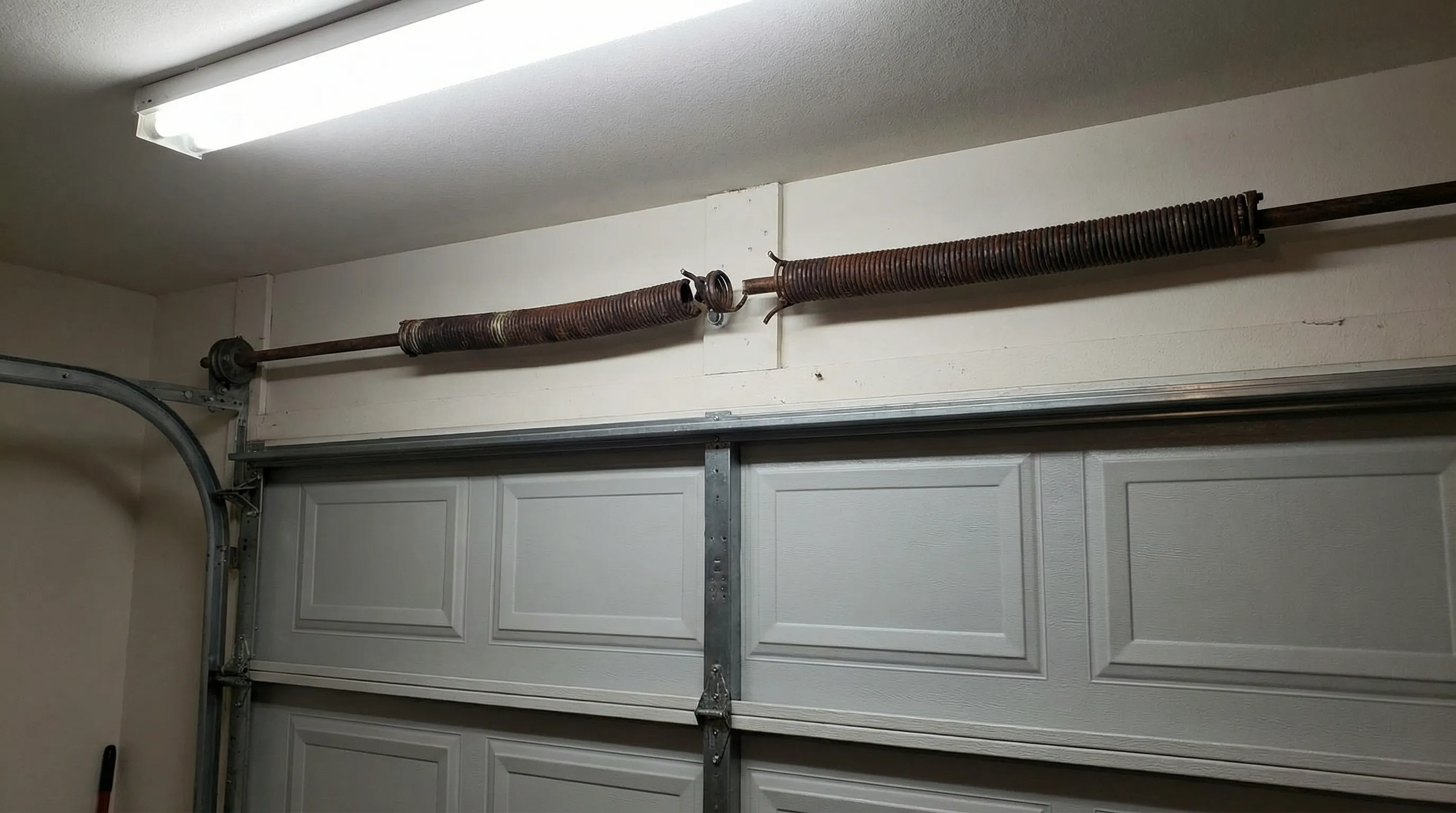
Your garage door is the largest moving part of your entire home. In places like Baytown, Texas, where the Gulf Coast weather can turn from a sunny afternoon into a raging tropical storm or hurricane in a matter of days, this massive door is your home's first line of defense. When high winds, torrential rains, and flying debris slam into your neighborhood, your garage door bears the brunt of the assault. If it fails, the consequences can be catastrophic for your entire property.
As a garage door technician with 15 years of hands-on experience in the field, I have seen firsthand what a severe storm can do to an unprotected garage system. I have walked through neighborhoods after major weather events and seen twisted tracks, buckled panels, and destroyed openers. More importantly, I have seen how a single breach in a garage door can lead to the total loss of a home’s roof due to internal air pressure buildup.
This comprehensive guide will teach you everything you need to know about preparing your garage door before a storm hits, what to do during the event, and how to safely navigate the aftermath. Whether you need a simple maintenance check or urgent Garage Door Repair, understanding the mechanics of your door in severe weather is essential for every homeowner.
The Hidden Science: Why Your Garage Door Matters in a Storm
To truly understand why storm preparation is so critical, we have to look at a bit of basic physics. Many people believe that the main danger to a garage door during a storm is simply getting hit by a flying object like a tree branch or a trash can. While debris damage is a major concern, the much larger threat comes from wind pressure.
When high-speed winds blow directly against a large, flat surface like a garage door, they create immense positive pressure pushing inward. Conversely, as winds rush over the roof and around the sides of your home, they create a vacuum effect, known as negative pressure, pulling the door outward.
The Blow-In and Blow-Out Phenomenon
If your garage door is not properly rated for these wind speeds, or if it has structural weaknesses like worn-out rollers or rusted tracks, it can fail in one of two ways:
- Inward Buckling (Blow-In): The wind forces the center of the door inward, pulling the rollers completely out of their tracks.
- Outward Suction (Blow-Out): The negative pressure pulls the door panels outward, ripping them away from the wall mounting.
The Dominated Roof Effect
What happens if the door breaches? This is where the real danger begins. When a garage door gives way, an enormous amount of air rushes into the enclosed garage space instantly. This sudden influx of air cannot escape easily, creating a massive upward pressure against the ceiling of your garage.
At the same time, the wind blowing over the top of your house is pulling the roof upward. This combination of internal pushing and external pulling can easily lift the roof right off the garage structure. Once the roof is gone, the structural integrity of the rest of the home is severely compromised, often leading to a total collapse of the surrounding walls.
Pre-Storm Preparation: How to Lock Down Your Garage Door
Preparation is the absolute key to surviving a severe coastal storm without losing your garage door. You should not wait until a hurricane watch is issued for the Texas Gulf Coast to start thinking about your door. True preparation begins months in advance during the quiet seasons.
+-----------------------------------------------------------------+
| PRE-STORM CHECKLIST |
+-----------------------------------------------------------------+
| [ ] Inspect tracks for bends, rust, or loose mounting bolts. |
| [ ] Check rollers for cracks, flat spots, or excessive play. |
| [ ] Tighten all hinges, brackets, and hardware. |
| [ ] Test the balance of the door manually. |
| [ ] Verify the condition of the bottom weather seal. |
| [ ] Locate the manual release cord and emergency keys. |
+-----------------------------------------------------------------+
1. Perform a Structural Inspection
Walk into your garage, close the door completely, and look closely at the framework.
- Look at the Tracks: The metal tracks on either side of the door must be firmly anchored to the wooden jambs. If you can wiggle the tracks with your hand, or if you see missing screws, your door will not hold up against high winds.
- Examine the Hinges: The hinges connect the horizontal panels of your door. If they are cracked, rusted, or have loose screws, the door can split apart under intense pressure.
- Check the Rollers: The rollers should spin smoothly inside the tracks. If you have old plastic rollers, they can easily crack and pop out under stress. Upgrading to heavy-duty nylon or steel rollers with ball bearings provides much greater structural resistance.
2. Understand Your Wind-Load Rating
Every modern garage door comes with a specific wind-load rating, which dictates how many miles per hour of wind pressure the door can safely withstand. In coastal regions like Baytown, local building codes generally require doors to handle winds ranging from 110 mph to over 140 mph, depending on the exact zone.
You can look for a sticker on the inside of your garage door panels. This label will indicate the wind-load rating and whether the door features internal reinforcement, such as heavy-duty U-bars (struts) attached across the width of the panels. If your door lacks a sticker or feels flimsy and lightweight, it might be an unrated door that needs to be replaced or retrofitted before storm season arrives.
3. Utilize Bracing Systems
If you do not have a fully wind-rated garage door, you can purchase an aftermarket garage door bracing kit. These kits typically consist of heavy-duty aluminum or steel posts that you mount vertically on the inside of the garage door before a storm hits.
The bracing posts anchor directly into the concrete floor of your garage and into the sturdy header beam above the door. When the wind pushes against the door panels, the force is transferred directly into the concrete foundation and the house framing rather than relying solely on the tracks and rollers.
Important Note: Bracing kits are highly effective, but they must be installed before the high winds arrive. Once the storm begins, it is far too dangerous to attempt installation. Additionally, you must unplug your automatic garage door opener when a brace is installed so that no one accidentally tries to open the door via remote, which would cause severe damage to the opener motor and the door panels.
4. Fortify Against Water Infiltration
Wind is only half the battle; water damage from torrential downpours can ruin your garage interior and electrical components.
Check the rubber weather stripping at the very bottom of your garage door. Over time, this rubber becomes brittle, cracks, or gets chewed on by pests. If you can see daylight underneath your closed garage door, water will flood your garage during a heavy storm. Replace worn weather stripping immediately. For homes prone to flash flooding, you can also install a solid rubber threshold seal directly onto the concrete garage floor to create a much tighter barrier against rushing water.
During the Storm: What to Do (and What to Avoid)
When the storm is actively raging outside, your primary goal is personal safety. The garage is one of the most hazardous places to be during a severe weather event, and you should treat it with extreme caution.
Stay Out of the Garage
Never hang out in the garage to watch the storm or monitor how the door is holding up. If the door experiences a sudden structural failure, flying glass, splintered wood, or twisted metal panels can cause catastrophic injuries. Stay in an interior room of your home, away from windows and large exterior doors.
Do Not Attempt to Hold the Door
It sounds obvious, but under panic, some homeowners have attempted to physically push against a buckling garage door or use makeshift bracing like vehicles or heavy furniture pushed against the inside panels. Never do this. The forces exerted by 100+ mph winds are measured in thousands of pounds of pressure. A vehicle pushed against a door can be shoved backward, or the door can implode violently, crushing anything or anyone in its path.
Handling Power Outages
Storms frequently knock out the main electrical grid. If you lose power, your automatic garage door opener will stop functioning unless you have a modern system equipped with a built-in battery backup.
If you must exit your home through the garage during an emergency evacuation when the power is out, you will need to operate the door manually:
- Locate the red emergency release cord hanging from the opener track.
- Pull the cord straight down to disengage the opener carriage from the drive chain or belt.
- Carefully lift the door by hand using the lift handles.
- Caution: Only attempt to lift the door manually if it is undamaged. If the springs are broken or the door is bent, it could be incredibly heavy or crash down without warning.
Post-Storm Assessment: Safety First
Once the storm passes and local authorities declare it safe to step outside, your immediate instinct will be to check for property damage. Assessing your garage door requires a methodical, cautious approach. A storm-damaged garage door can look perfectly fine on the outside while harboring hidden, lethal hazards on the inside.
The Dangers of Torsion Springs
Before you touch your garage door after a storm, you must understand the danger of the spring system. Most residential garage doors utilize a torsion spring system, which consists of tightly wound coils of steel mounted on a metal shaft directly above the door header. Other doors use extension springs located above the horizontal tracks on the sides.
These springs are kept under an immense amount of mechanical tension—enough force to lift a 200-pound door with ease. If a storm has warped your garage door frame, shifted the tracks, or cracked the spring hardware, that tension is looking for an escape route. A snapped spring or a flying cable can sever limbs or cause fatal injuries.
[ WARNING: HIGH TENSION SYSTEM ]
+------------------------------------+
| Torsion Springs & Lift Cables |
| carry lethal mechanical force. |
| NEVER attempt to adjust, tighten, |
| or cut these components yourself. |
+------------------------------------+
Step-by-Step Post-Storm Inspection
Follow this safe inspection protocol once weather conditions clear:
1. Visual Inspection from a Distance
Stand back and look at the door from both the outside and inside. Is the door hanging crookedly in the opening? Are any panels visibly bent, dented, or torn apart? If the door looks visibly out of alignment or severely damaged, do not attempt to use the automatic opener.
2. Check for Obstructions and Debris
High winds blow leaves, twigs, shingles, and trash into every nook and cranny. Look closely at the vertical and horizontal tracks. If there is debris wedged inside the tracks, it will jam the rollers, which can cause the lift cables to jump off their drums or burn out your garage door opener motor. Clear away any loose debris by hand only if the door is completely stable and resting on the ground.
3. Inspect for Water Accumulation
Did your garage flood? If water reached more than a few inches off the floor, your automatic garage door opener’s wall console, safety sensors, and the bottom wiring components may have been submerged. Water can short-circuit electrical systems and corrode internal circuit boards. If you suspect water has entered the electrical components, leave the unit unplugged until an expert can inspect it.
4. Test the Safety Sensors
For doors that appear undamaged, check the photo-eye safety sensors located at the bottom left and right of the door opening, roughly six inches above the floor. These sensors project an invisible beam across the opening to prevent the door from closing on obstacles. Heavy rain and wind can knock these sensors out of alignment or coat the lenses with mud and grit. Wipe the lenses gently with a soft cloth and ensure the indicator lights on both sensors are glowing steadily (not blinking).
When to Call a Professional for Garage Door Repair
Many home maintenance tasks can be handled as DIY projects over the weekend. However, post-storm garage door recovery is rarely one of them. Knowing when to put down the wrench and call a licensed specialist can save you thousands of dollars in further damage and protect your physical well-being.
If you encounter any of the following scenarios after a storm in Baytown, you should immediately reach out for professional Garage Door Repair:
Broken or Frayed Cables
The steel cables running from the bottom brackets of your door up to the drums near the ceiling work in tandem with your springs. If these cables look frayed, loose, or have slipped completely off the drums, the door is completely unstable. Do not attempt to move it.
Bent or Displaced Tracks
If wind pressure or a flying object has bent the metal tracks out of shape, the rollers will jam. Forcing the door to move along a bent track can tear the brackets out of the wall or cause the door to fall completely out of the ceiling track system.
Cracks in the Door Panels
Modern garage doors are made of interlocking sections. If a storm has bent or cracked the metal or wood panels, the structural integrity of the entire door is compromised. A professional technician can determine whether individual sections can be replaced or if a complete door replacement is necessary to restore wind-load protection.
Loud Grinding Noises
If you turn your power back on and attempt to operate the door, listen carefully. Any new, unusual noises, such as heavy grinding, screeching, or popping, indicate that something is out of alignment, a gear is stripped, or the motor is struggling against an unseen obstruction.
To learn more about standard garage door safety mechanisms and how residential doors are manufactured to withstand daily wear and tear, you can consult the safety standards outlined by the DASMA (Door & Access Systems Manufacturers Association).
Long-Term Recovery: Upgrading for the Next Storm
If your garage door suffered extensive damage during a severe weather event, look at the recovery process as an opportunity to build back smarter and stronger. The garage door industry has made massive technological leaps in wind-resistant design and material durability over recent years.
Choosing the Right Material
When selecting a replacement door with enhanced storm resilience, material selection plays a massive role:
Door Material | Storm Pros | Storm Cons | Best For |
Heavy-Duty Steel | Excellent impact resistance; doesn't crack under pressure; easy to reinforce with internal struts. | Can dent if struck by heavy flying debris. | General coastal homes seeking high wind-load ratings. |
Aluminum & Glass | Modern aesthetics; rust-proof against coastal humidity and salt air. | Glass panels can shatter unless impact-rated glass is specified. | Contemporary homes located further inland. |
Fiberglass | Highly resistant to salt air corrosion; will not dent like steel; flexible. | Can become brittle over decades of intense UV exposure. | Immediate beachfront properties. |
The Power of Insulation
While insulation is typically discussed in terms of energy efficiency and keeping your garage cool during hot Texas summers, it also serves a secondary, critical role during storms. Insulated garage doors (specifically those featuring injected polyurethane foam) are significantly more rigid than single-layer, non-insulated hollow steel doors. The dense foam core bonds to the steel skins, creating a sandwich panel that resists bending, buckling, and impact damage much more effectively than a standard sheet of metal.
Smart Openers and Battery Backups
Modern garage door openers offer incredible utility during severe weather events. Upgrading to an opener with an integrated battery backup ensures that even if a hurricane knocks out power to your entire grid for days, you can still open and close your garage door safely using your remote control or smartphone app.
Furthermore, smart openers can send alerts directly to your phone if the door is left open or if someone attempts to manually force it open while you are away evacuating. For comprehensive safety tips and emergency planning guidelines concerning home entryways, you can review the recommendations provided by the Federal Emergency Management Agency (FEMA).
Frequently Asked Questions (FAQs)
Can I use my automatic garage door opener immediately after my garage has flooded?
No, you should never operate an electric opener if the power head, wall button, or safety sensors have been submerged, as this creates a severe risk of electrical shock and can permanently fry the internal circuit boards. You must keep the unit completely unplugged until a certified professional inspects the wiring and confirms it is dry and safe to operate.
Will my standard homeowner's insurance policy cover the cost of a garage door replacement after a storm?
In most cases, homeowner's insurance will cover garage door damage caused by sudden storm events like high winds, hail, or flying debris, subject to your policy's deductible. However, if the damage was caused by rising floodwaters, it typically requires a separate flood insurance policy through the National Flood Insurance Program (NFIP) to cover the repair or replacement costs.
What should I do if my garage door lift cable snaps during a heavy storm?
If a cable snaps while the storm is active, stay completely away from the garage and do not attempt to touch or move the door under any circumstances. Once the weather clears, immediately call a professional technician to handle the repair, as a snapped cable leaves the door completely unbalanced and capable of falling unexpectedly.
How often should I have my garage door inspected for wind-load integrity?
It is highly recommended to schedule a professional garage door tune-up and safety inspection at least once a year, preferably in the late spring, just before the Atlantic hurricane season begins. This ensures that any hidden structural issues, loose brackets, or worn rollers are corrected before the system is put under extreme weather stress.
Final Thoughts
Your garage door is more than just a convenience for parking your vehicle or storing extra belongings; it is a critical protective barrier that safeguards your family, your belongings, and the structural integrity of your entire home. By taking proactive steps to inspect your door, understanding its wind-load capacity, knowing how to handle it safely during power outages, and addressing post-storm issues with extreme caution, you can minimize property damage and keep your household safe.
Never cut corners when it comes to high-tension springs, warped tracks, or compromised panels. When a severe storm strikes the Texas coast, having a strong, professionally maintained garage door makes all the difference between a secure home and a catastrophic structural failure.
How Can McLeod Overhead Doors and Springs Help You?
When severe coastal weather damages your property, you don't have time to wait around for subpar service. At McLeod Overhead Doors and Springs, we have spent years helping our neighbors across the local community navigate the complex challenges of residential storm preparation and post-storm recovery.
Whether your home requires an emergency Garage Door Repair, an immediate torsion spring replacement, structural track realignment, or a full upgrade to a certified high-wind-load garage door system, our seasoned technicians are ready to deploy. We provide rapid, transparent, and expert service designed to restore your home's safety and peace of mind when you need it most.
Don't leave your home's largest opening vulnerable to the elements. Reach out to our team today to schedule an inspection or to get immediate assistance with your garage door recovery needs.
- Business Name: McLeod Overhead Doors and Springs
- Business Address: 8820 N Hwy 146, Baytown, TX 77520
- Phone Number: (281) 603-2885


